Ketocharge Review - https://bit.ly/3kBphBd - What Is Ketocharge? KetoCharge is actually a strong as well as highly effective formula created to help you attain that desirable state of ketosis. Everybody prefers to burn fat FAST. And we have actually received you covered with KETOCHARGE.
The KetoCharge supplement causes your body system to enter ketosis, a condition in which the physical body burns kept body fats for power instead of carbs. This item supports weight-loss as well as aids you accomplish a much better physique through burning fat quick.
Many people fear of the suggestion of "entering Ketosis". They don't recognize what it is or even what to expect. Yet with Advancement Body fat Reduction Innovation found by doctor Result Houston, anybody can currently touch in to the electrical power of Ketosis to not simply burn fat prompt but to drop unwanted saddlebags, enjoy takes care of, breast support excess fat, or even whatever you would like to call it.
KETOCHARGE is actually a 100% natural and also risk-free exclusive mixture of ingredients for males and women, primarily targeting those hoping to shed excess body system excess fat as well as improve their stamina. This state-of-the-art method to fat deposits reduction was crafted due to the famous weight-loss experts at Veggie Tea Health And Wellness LLC.
⚠️ KetoCharge is the first and only exogenous ketone supplement that can put your body into ketosis.
✅ Burn Fat FASTER ✔
✅ Trigger Ketosis ✔
✅ Increase Energy ✔
✅ Improve Endurance ✔
KetoCharge is actually a diet supplement made to normally and safely cause ketosis in your physical body. When the body resides in ketosis, it burns fatty tissue for energy rather than carbohydrates or even glucose, causing swift fat burning and also boosted electricity. It has additionally been revealed to enhance bodily functionality and put off the beginning of fatigue during physical exercise.
KetoCharge is actually an all-natural ketogenic fat loss formula that will definitely assist you drop body weight fast! KetoCharge causes your body system to enter into a fat-burning mode so you begin slimming down swiftly. It increases muscle mass and also overall metabolism so you can easily obtain the physical body of your dreams. KetoCharge leads can easily be viewed in as low as two weeks. This formula also helps improve your concentration, energy, psychological quality, mood, mind, digestive function, rest premium, cravings management, blood glucose regulation, as well as your immune.
Ketocharge Review - What Is Ketocharge? Best Keto Electrolyte Supplement
https://youtu.be/q5dv-bC6uhA
Thanks for watching this #ketochargereview, for more info on #ketocharge please Go check out the official website to learn more: https://bit.ly/2XO4W2r
#keto #ketosis #ketogenic #ketodiet #ketogenicdiet #ketosisdiet #ketogenicdietplan #dietplan #dieting #easydiet #easydietplan #weightlossjourney #weightlossdiets #fatlossdiet #fatloss
Watch Video

Sunday, October 10, 2021
Saturday, October 2, 2021
TestoPrime Review: Testo Prime The Testosterone that is natural Supplement Stamina And Energy
TestoPrime Review - https://tstopryme.blogspot.com - Testo prime review, TestoPrime is a normal health supplement that helps guys inside their forties and older restore their testosterone levels. Natural ingredients, such as for instance vitamins and fresh fruit extracts, are used to make it. There aren't any additives or allergens that are potential the item.
This health supplement has swept industry and it is readily available with no prescription. You could do it as long as you aren't experiencing a health condition that is serious. It is simple to get it from the formal site and send it back for the full refund you want if you don't get the results.
The product can also be backed up from a slew of customer reviews. Testo Prime could be the supplement that is only industry through a customer satisfaction rating of 98 per cent when it comes to strength and efficacy.
TestoPrime is a testosterone booster made completely of 100% natural ingredients. It is a scientifically proven supplement that enhances testosterone levels and restores them on track. 3rd party testing is continuous to ensure the ingredients tend to be for the best quality. The brand takes additional safety measures and goes far above to get the best quality 100% natural ingredients.
The potency of something is supported by customer satisfaction. Relating to comments from customers, the TestoPrime supplement is by far the absolute most popular testosterone booster. This product is you are over forty and have low energy or sexual drive for you if.
Anxiety, exhaustion, and a lack of libido will be a plain thing of the past for you. TestoPrime will restore your former, healthier self. Your blood oxygen and flow amounts will enhance as your testosterone levels tend to be restored.
You'll feel energised and confident in your appearance in just a few weeks. It is possible to restore growth of muscles and never having to spend a complete lot of amount of time in the gym. It shall appear that staying in form is simple.
The body will no much longer have a desire for the ‘forbidden' food. Your metabolic rate will undoubtedly be restored, and will also be in a position to resume an excellent, nutritionally beneficial diet.
TestoPrime comes with an informative e-book that will show you through the process of restoring your testosterone and rediscovering your healthier self.
In this TestoPrime Review, you’ll see how does testoprime work and exactly what are the benefits of using testosterone that is natural Testo Prime.
Is Testoprime legit? check out the real customer reviews and buy testo prime here: https://tstopryme.blogspot.com/
TestoPrime Review: The Natural Testosterone Supplement For Stamina And Energy
https://youtu.be/H0hxLDx24vo
https://www.behance.net/gallery/126778931/Testoprime-Testo-Booster-Review
https://www.behance.net/gallery/126778931/Testoprime-Testo-Booster-Review
#testoprime, #testoprimereview, #testoprimereviews, #testoprimemaleenhancement, #testoprimebeforeandafter, #testoprimetestosteronebooster, #buytestoprime, #doestestoprimereallywork, #testoprimefored, #istestoprimesafe, #buytestoprime #testosteronebooster
Watch Video
This health supplement has swept industry and it is readily available with no prescription. You could do it as long as you aren't experiencing a health condition that is serious. It is simple to get it from the formal site and send it back for the full refund you want if you don't get the results.
The product can also be backed up from a slew of customer reviews. Testo Prime could be the supplement that is only industry through a customer satisfaction rating of 98 per cent when it comes to strength and efficacy.
TestoPrime is a testosterone booster made completely of 100% natural ingredients. It is a scientifically proven supplement that enhances testosterone levels and restores them on track. 3rd party testing is continuous to ensure the ingredients tend to be for the best quality. The brand takes additional safety measures and goes far above to get the best quality 100% natural ingredients.
The potency of something is supported by customer satisfaction. Relating to comments from customers, the TestoPrime supplement is by far the absolute most popular testosterone booster. This product is you are over forty and have low energy or sexual drive for you if.
Anxiety, exhaustion, and a lack of libido will be a plain thing of the past for you. TestoPrime will restore your former, healthier self. Your blood oxygen and flow amounts will enhance as your testosterone levels tend to be restored.
You'll feel energised and confident in your appearance in just a few weeks. It is possible to restore growth of muscles and never having to spend a complete lot of amount of time in the gym. It shall appear that staying in form is simple.
The body will no much longer have a desire for the ‘forbidden' food. Your metabolic rate will undoubtedly be restored, and will also be in a position to resume an excellent, nutritionally beneficial diet.
TestoPrime comes with an informative e-book that will show you through the process of restoring your testosterone and rediscovering your healthier self.
In this TestoPrime Review, you’ll see how does testoprime work and exactly what are the benefits of using testosterone that is natural Testo Prime.
Is Testoprime legit? check out the real customer reviews and buy testo prime here: https://tstopryme.blogspot.com/
TestoPrime Review: The Natural Testosterone Supplement For Stamina And Energy
https://youtu.be/H0hxLDx24vo
https://www.behance.net/gallery/126778931/Testoprime-Testo-Booster-Review
https://www.behance.net/gallery/126778931/Testoprime-Testo-Booster-Review
#testoprime, #testoprimereview, #testoprimereviews, #testoprimemaleenhancement, #testoprimebeforeandafter, #testoprimetestosteronebooster, #buytestoprime, #doestestoprimereallywork, #testoprimefored, #istestoprimesafe, #buytestoprime #testosteronebooster
Watch Video
Wednesday, January 6, 2021
13 Secrets About Air Travel All Passengers Should Know
HOSTED BY: https://onebagtravel.club
13 secrets about air travel all passengers should know. Like most things in life, travel requires experience. With each trip you embark on, you will start to get more comfortable and familiar with the means of travel, and it all begins from your planning, until the time you board your plane at the airport, where your journey all begins. But did you know that there are some things you don’t know about when you take a trip, specifically when you travel in the air? Well today, we’re going to get you up to speed with some secrets that you as a passenger should know about.
#Flight #Luggage #Airplane
Timestamps:
Intro - 0:00
01. When Is It Best To Buy Tickets?: 01:36
02. Airline Employees And Their Closest Family Get Reduced Cost Air Tickets: 02:18
03. The 7 Most Common Reasons Why Luggage Get Lost: 02:47
04. Locks Don’t Protect Luggage From Being Opened: 04:07
05. Why It’s Really Forbidden To Smoke Onboard: 04:55
06. Why Passengers Are Asked To Turn Off Their Cell Phones: 05:35
07. Aisle And Window Seat Armrests Can Be Raised: 06:08
08. The Reason Why There Are Hand Grips At The Door Inside The Plane: 06:39
09. The Captain And Co-Pilot Are Fed Differently: 07:07
10. Not All Minor Failures Are Repaired Immediately: 07:35
11. These Runway Numbers Are Important: 08:05
12. Be Polite, And You Won’t Regret It: 08:25
13. The Toilets Never Lock: 09:18
Music:
https://www.youtube.com/audiolibrary/music
Summary:
1. When Is It Best To Buy Tickets?
Buying tickets can be a tricky part of the trip planning process. Time can be the difference in hundreds of dollars. Whether you choose to book last minute, or several months in advance, there will undoubtedly be price differences, and they’re always changing.
2. Airline Employees And Their Closest Family Get Reduced Cost Air Tickets.
For many airlines worldwide, employees of the company are offered cheaper, even free, tickets for themselves, and their immediate family. In most cases, the employee will only be charged the taxes and duties, leaving the cost of the flight free of charge.
3. The 7 Most Common Reasons Why Luggage Get Lost.
When travelling, worrying about your luggage can be one of the most stressful parts of your journey. We all want the things that we packed to stay close to us, and not be tampered with. Sometimes, it can be out of our own control, unfortunately.
4. Locks Don’t Protect Luggage From Being Opened.
This is a common idea that most travelers have; placing a lock on the outside zipper of your luggage. Though this may seem secure, and only you really have the keys to unlock it, there are too many professional thieves who can easily pick it and open it.
5. Why It’s Really Forbidden To Smoke Onboard.
Smoking on airplanes has long been a thing of the past, with people having their speculations as to why. Some may think it is a potential fire hazard, however, smoking was once allowed on airplanes, and there weren’t any related fires.
6. Why Passengers Are Asked To Turn Off Their Cell Phones.
Though we may think that our cell phones can cause critical interference or malfunctions on the airplane, that isn’t exactly the truth. It does, however, create static on the radio signal, which can lead to miscommunication from the pilots, and missing key information for the dispatcher.
7. Aisle And Window Seat Armrests Can Be Raised.
Comfort is a big thing on an airplane. Often times, we find ourselves crammed next to others, sharing an armrest. To our luck, we have access to both armrests, and they can both be raised and adjusted.
8. The Reason Why There Are Hand Grips At The Door Inside The Plane.
Some of us may have wondered why there are hand grips on the door inside of the plane. This is intended for flight crew in the event of a panic situation, where individuals can easily react and knock them down or even out of the plane. The hand grips will help the employee stay upright and keep their balance at a time like this.
9. The Captain And Co-Pilot Are Fed Differently.
The captain and co-pilot eat two separate meals during the flight, due to the risk of one of them potentially having a reaction or get poisoned, and are therefore unable to operate the aircraft. In this case, the pilot will get substituted by the other. This ensures that they aren’t both phased by any intake that will hinder their performance.
10. Not All Minor Failures Are Repaired Immediately.
----------------------------------------------------------------------------------------
Subscribe to Bestie : https://goo.gl/tUqro6
----------------------------------------------------------------------------------------
Our Social Media:
Facebook: https://www.facebook.com/bestieinc/
----------------------------------------------------------------------------------------
Medical Disclaimer: https://pastebin.com/xLmigD6i
Watch Video
13 secrets about air travel all passengers should know. Like most things in life, travel requires experience. With each trip you embark on, you will start to get more comfortable and familiar with the means of travel, and it all begins from your planning, until the time you board your plane at the airport, where your journey all begins. But did you know that there are some things you don’t know about when you take a trip, specifically when you travel in the air? Well today, we’re going to get you up to speed with some secrets that you as a passenger should know about.
#Flight #Luggage #Airplane
Timestamps:
Intro - 0:00
01. When Is It Best To Buy Tickets?: 01:36
02. Airline Employees And Their Closest Family Get Reduced Cost Air Tickets: 02:18
03. The 7 Most Common Reasons Why Luggage Get Lost: 02:47
04. Locks Don’t Protect Luggage From Being Opened: 04:07
05. Why It’s Really Forbidden To Smoke Onboard: 04:55
06. Why Passengers Are Asked To Turn Off Their Cell Phones: 05:35
07. Aisle And Window Seat Armrests Can Be Raised: 06:08
08. The Reason Why There Are Hand Grips At The Door Inside The Plane: 06:39
09. The Captain And Co-Pilot Are Fed Differently: 07:07
10. Not All Minor Failures Are Repaired Immediately: 07:35
11. These Runway Numbers Are Important: 08:05
12. Be Polite, And You Won’t Regret It: 08:25
13. The Toilets Never Lock: 09:18
Music:
https://www.youtube.com/audiolibrary/music
Summary:
1. When Is It Best To Buy Tickets?
Buying tickets can be a tricky part of the trip planning process. Time can be the difference in hundreds of dollars. Whether you choose to book last minute, or several months in advance, there will undoubtedly be price differences, and they’re always changing.
2. Airline Employees And Their Closest Family Get Reduced Cost Air Tickets.
For many airlines worldwide, employees of the company are offered cheaper, even free, tickets for themselves, and their immediate family. In most cases, the employee will only be charged the taxes and duties, leaving the cost of the flight free of charge.
3. The 7 Most Common Reasons Why Luggage Get Lost.
When travelling, worrying about your luggage can be one of the most stressful parts of your journey. We all want the things that we packed to stay close to us, and not be tampered with. Sometimes, it can be out of our own control, unfortunately.
4. Locks Don’t Protect Luggage From Being Opened.
This is a common idea that most travelers have; placing a lock on the outside zipper of your luggage. Though this may seem secure, and only you really have the keys to unlock it, there are too many professional thieves who can easily pick it and open it.
5. Why It’s Really Forbidden To Smoke Onboard.
Smoking on airplanes has long been a thing of the past, with people having their speculations as to why. Some may think it is a potential fire hazard, however, smoking was once allowed on airplanes, and there weren’t any related fires.
6. Why Passengers Are Asked To Turn Off Their Cell Phones.
Though we may think that our cell phones can cause critical interference or malfunctions on the airplane, that isn’t exactly the truth. It does, however, create static on the radio signal, which can lead to miscommunication from the pilots, and missing key information for the dispatcher.
7. Aisle And Window Seat Armrests Can Be Raised.
Comfort is a big thing on an airplane. Often times, we find ourselves crammed next to others, sharing an armrest. To our luck, we have access to both armrests, and they can both be raised and adjusted.
8. The Reason Why There Are Hand Grips At The Door Inside The Plane.
Some of us may have wondered why there are hand grips on the door inside of the plane. This is intended for flight crew in the event of a panic situation, where individuals can easily react and knock them down or even out of the plane. The hand grips will help the employee stay upright and keep their balance at a time like this.
9. The Captain And Co-Pilot Are Fed Differently.
The captain and co-pilot eat two separate meals during the flight, due to the risk of one of them potentially having a reaction or get poisoned, and are therefore unable to operate the aircraft. In this case, the pilot will get substituted by the other. This ensures that they aren’t both phased by any intake that will hinder their performance.
10. Not All Minor Failures Are Repaired Immediately.
----------------------------------------------------------------------------------------
Subscribe to Bestie : https://goo.gl/tUqro6
----------------------------------------------------------------------------------------
Our Social Media:
Facebook: https://www.facebook.com/bestieinc/
----------------------------------------------------------------------------------------
Medical Disclaimer: https://pastebin.com/xLmigD6i
Watch Video
Friday, December 11, 2020
SOLO FEMALE #TRAVEL | How To Pack One Bag For A Week Trip
MORE ONE BAG TRAVEL INFO: https://onebagtravel.club
Instagram.com/Wildbythemile
Camera Bag: https://www.rvca.com/zak-noyle-camera-bag-ii-190235759825.html
Liz Bryant is a solo female traveler who lived full time in a Mercedes Sprinter August 2017 until November 2018. She sold her self built van July 2019. Liz started international airplane travels + backpacking December 2019. Liz - from Tulsa, Oklahoma - now has a home base in La Jolla, California.
Van Build: WildByTheMile.com
Music Credit: https://xarndaxarnda.bandcamp.com/tra...
#minimalist #travel #solofemale
Watch Video
Instagram.com/Wildbythemile
Camera Bag: https://www.rvca.com/zak-noyle-camera-bag-ii-190235759825.html
Liz Bryant is a solo female traveler who lived full time in a Mercedes Sprinter August 2017 until November 2018. She sold her self built van July 2019. Liz started international airplane travels + backpacking December 2019. Liz - from Tulsa, Oklahoma - now has a home base in La Jolla, California.
Van Build: WildByTheMile.com
Music Credit: https://xarndaxarnda.bandcamp.com/tra...
#minimalist #travel #solofemale
Watch Video
Thursday, December 10, 2020
Xin Chao Private Vietnam Tours
Everyday is a Good Day in Vietnam
Xin Chao Private Vietnam Tours - https://www.privatevietnamtourguide.com
MORE TRAVEL VIDEOS: https://onebagtravel.club
Watch Video
Xin Chao Private Vietnam Tours - https://www.privatevietnamtourguide.com
MORE TRAVEL VIDEOS: https://onebagtravel.club
Watch Video
Thursday, July 18, 2019
How to Travel Responsibly (& Stop Killing Our Planet)
Check "Cheap Vacations" on Amazon: http://amzn.to/2uwUxYD
The One Bag Traveler recommends Gear, Destinations and Adventures.
It's 2019, and let's be real – depressing sh*t is happening. We're pushing animals to extinction at an alarming rate. Sea levels are rising. The planet is drowning in plastic. Corruption in many countries is worsening. Over-tourism is dissolving cultures worldwide. It feels like the beginning of the end and yet, many have cemented their heads in the garbage-laden sand.
While certain regions, governments, and corporations are largely to blame, this doesn't grant the rest of us the right to inaction. If we globe trot, then we too are contributing to these crises. By accepting this prickly fact, we can then choose to make our travels part of the problem or the solution. After all, indecision is a decision, and inaction is an action.
What is responsible travel? Why should I care?
Responsible travel means travelling in a way that is ethically-minded to protect the planet and its inhabitants. That includes awareness of the impact our travels have on the environment, humanity, culture, and wildlife. In other words, it means caring for the very essences that lure us to travel at all.
Is all travel bad for the planet?
Technically, yes. All forms of travel inflict damage to our planet in some way. Frankly, this sucks. But given that modern existence demands and encourages human movement, it's a fact we have to face. Whether for work, study, family, leisure, or love, so long as humans are here, we will wander the planet.
So, then what? Do we burn our passports? Spread anti-holiday propaganda on Facebook? Protest local travel agencies? From a realistic standpoint, nope. Our planet is expansive and complex and as much, so are the number of ways to help it. We just have to be willing to hear what we're doing wrong, and how we can fix it.

Does travel do any good?
Without a doubt, yes. This is backed by academic research and organizations that monitor the impact of tourism, migration, protection of historic and natural sites, and more. Travel, when done with awareness, can and does make the world a better place. Here are some examples how:
Protects historic sites, wildlife & environment
- Formation of national parks & world heritage sites
- Boom in eco-tourism & volunteering
- Creation of United Nations World Tourism Organization (UNWTO) and the United Nations Environmental, Scientific and Cultural Organization (UNESCO)
Alleviates poverty
Levels playing field for jobs
- Tourism has created jobs that don't require education or prior experience. Such opportunities were not possible to laypeople even a decade ago.
- Examples include homestays, AirBNB, homestays, farm stays, local tours, and the sharing economy. Many of these only require an internet connection or even offline advertising (e.g. word of mouth or printed signage)
Increases empathy & creativity
- Travel and exposure to diversity increases both compassion and empathy towards others. has proven in studies to improve our empathy towards others, as
- Travel challenges us in new environments and experiences, which also enhances creativite thinking.
- Firsthand exposure can leave a lifelong impact, prompting career changes, inspiring studies (it did for me), or even just general interest in topics on global welfare and charity
How to travel with ethics
Heads up: there's a lot we can all improve on here. But we mustn't abandon hope just because we can't attain perfection. Every action matters.
That said, grab a steaming cup of coffee or a big ol' glass of wine. Our world is enormous, and so too are the action-items we can take to save it. Don't dismay for not doing everything right. Heck, you're already in the right place in reading this. Focus first on the most feasible changes you can make, one by one. Ready? Let's get into it!
Use your voice for change
It's true that the greatest impact on today's global issues comes from higher levels, not individual efforts. Fortunately, you have much more power than you think.

Social media, e-mail, blogs, and online petitions have provided us with the most accessible, far-reaching speech podiums in history. Here's how you can use these modern privileges to place the pressure back on those causing the most harm:
- Speak to management. Voice in person or by e-mail (here's how to do the latter effectively). Indicate the problem & its impact (e.g. loss of your business if use of disposables continues). Feel free to namedrop other businesses leading by example.
- Write online reviews. Platforms like Google and Tripadvisor are powerful tools in influencing traveller's decision-making. Bring up issues loud & clear (and kindly!) in reviews to raise awareness and possibly garner a reply from management.
- Start an online petition. Yes, these actually work, albeit with greater success with larger organizations. Change.org is most popular, with major wins like ending Seaworld's orca breeding program & orca shows. Still, even a 4th-grade class successfully petitioned for the film, “The Lorax” to revise its trailer and movie to better reflect the book's original environmental message. No voice is too small!
- Tag & write to tourism boards. Shocked by the garbage-strewn beaches of a supposed hotspot? Disappointed by a lack of garbage bins? Tag & write to local tourism boards &/or governments to convey your dismay. You can even tag them in social media pictures online to visualize your complaint.
- Start trash clean-ups. Lead by example – put callouts online and start beach, forest, or trail for clean-ups wherever you're travelling. A #trashtag challenge initiated on Reddit went viral globally and inspired clean-ups in countries around the world. There's not reason you can't continue this momentum!
- Find organizations in line with your cause. Passionate about animal welfare? Disgusted by a tourist hotspot's garbage-strewn beach? Google and see if you can find local or national organizations that you can collaborate with for campaigns (such as petitions), events, and other ways you can help.

Choose eco-wise modes of transport
How we move from one place to another determines the degree of carbon footprint we create. Not surprisingly, transport is the fastest growing contributor to climate emissions worldwide, with flights being one of the biggest carbon contributors. The image below illustrates the best modes of transport depending on your trip.
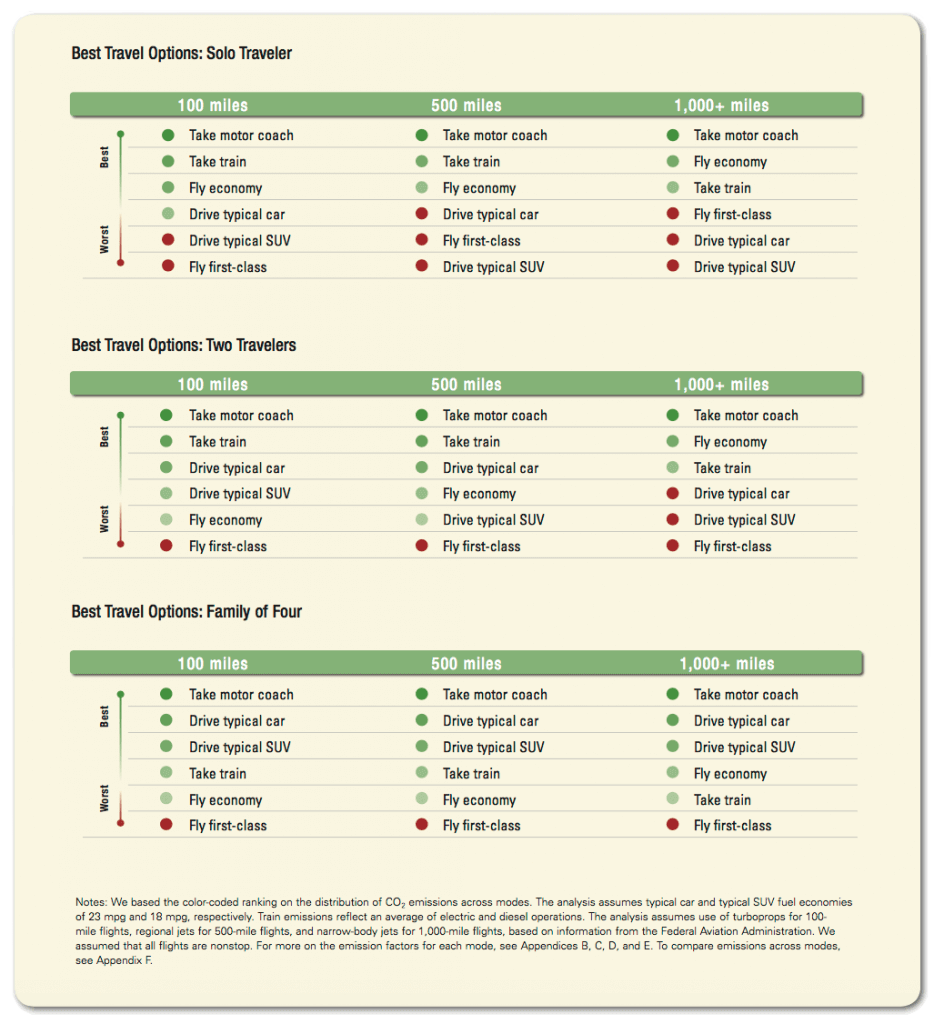
SOURCE: Union of Concerned Scientists
Now, it's not always possible to opt for the best choice. But it is good to be mindful of these alternatives. Not to mention, flying isn't always fastest when you factor in getting to/from the airport, going through security, delays, and more. So why not consider an epic road trip, scenic train ride, or share a bus with locals for a more memorable means of transport?!
Take fewer flights
Flying less is hard, but really important. Omitting unnecessary flights is a good place to start. First, consider choosing non-flight options like car, bus, or train. After all, getting to and from airports, going through security, and delays or cancellations often make flying slower and even pricier!
Next, be strategic when trip planning. You can reduce your movement greatly, or at least make larger leaps with less impact. Consider visiting regions that are small and/or dense in activities, such as island countries like Sri Lanka, Taiwan, or Malaysia. Want to cover more ground? Look into in places that are well-connected by scenic modes of transport, such as by rail. Europe and Japan are a delight to explore from the window of a zipping train.

Trains are a scenic, more eco-friendly means to explore foreign places. Photo: Gotthard, Switzerland.
On the note of cheap flights, forego travel hacks that involve needless flights. Strategies like “skip lagging” (booking a return or indirect flight and intentionally skipping one of the legs) and “mileage runs” (hopping on flights to rack up airline points for free travel) are enormous ecologic no-no's.
When you do fly, reduce the impact
When you do fly, take direct flights when possible. Planes burn most of their fuel during take off, so the fewer flights the better. The same logic applies for short-distance flights, which have a larger CO2 footprint per passenger than long-haul ones.
On the note of direct routes, these often aren't cheap. But they can be. Error fares do come up, and you can always use travel points to fly direct for free. Follow airlines & sign up for newsletters to keep in the know-how. Jetstar in Australia, for instance, does an annual “return for free” sale, which is announced in advance by e-mail.
Next, consider booking an open-jaw flight to eliminate back-tracking and extra transport. An open-jaw flight involves flying into one city and departing out another. If travelling Italy for example, perhaps you wish to explore the northern alps and the nation's capital, Rome. Why not then book an open jaw that flies into Milan and out of Rome? Bonus: this saves time on tight itineraries.
On a positive note, some airlines have begun actively trying to be greener. You can be mindful of this when booking. Firstly, budget airlines tend to be the most eco-friendly, as they squeeze more passengers in a single flight. Other airlines like Etihad and Air New Zealand have reduced or fully eliminated their plastic use. SkyScanner has also begun to add notifications of which flights emit less CO2 emissions, a decision you can make for the better when booking for information on how this is calculated, see here).
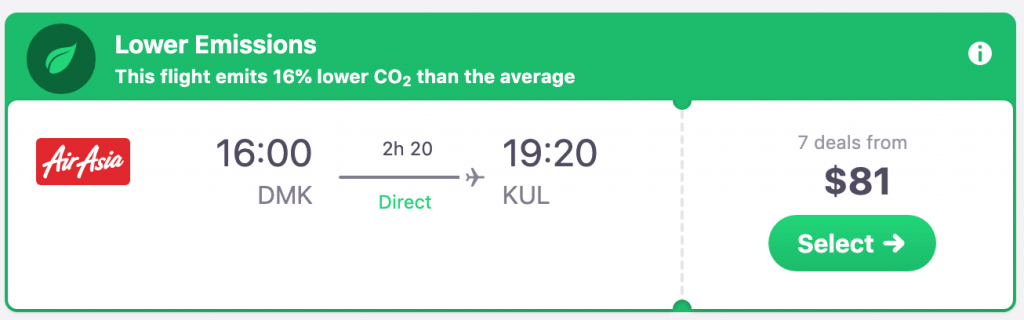
Finally, consider paying a “carbon offset fee” on your next flight. This fee goes towards eco-focused projects run by external groups (not the airline), such as as tree planting or strategies to trap methane gas. Admittedly, projects vary by airline and their known impact is questionable. By 2021, airlines will have to pay this fee themselves anyway, but in the meantime, it doesn't hurt to help.
Don't take cruises
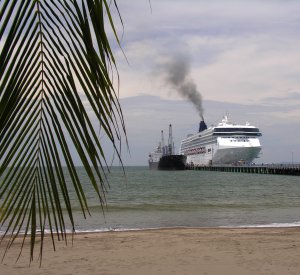
You've seen (& probably smelt) the acrid singe that is cruise ship smoke. That alone is s silent red flag that cruise ships don't just bleed your wallet, they cost the environment too. Once aboard, passengers' carbon footprint triples in size compared to on land. Cruises are bad on many levels – worsen air quality, adhere to subpar standards on the use of toxic heavy fuel oils, and have been caught dumping sewage, trash, and fuel into oceans. They also contribute little if any money during the brief local stops they make in what are often poor countries. In short: hopping aboard a ship is done at a serious cost to our planet, and doesn't help developing nations.
Avoid resorts & all-inclusive vacations
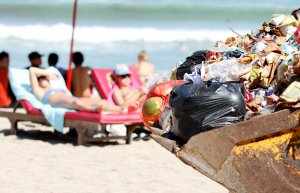
All-inclusive vacations and resorts pose problems on an environmental and humanitarian level. First, resorts require development, which is often done at the expense of nature, wildlife, and ecologically fragile areas. Secondly, they draw in large hoards of tourists into a small space. We know from overtourism that this contributes to harming wildlife, marine life, oceans, and reefs, plus increases pollution. Beachcombing disrupts natural ecosystems which rely on shells for algae, food, and shelter. The list of environmental impacts from resort holidays is endless and this should be telling enough of the impacts made.
On a humanitarian level, resorts often take lots of tourist dollars but put back little into local economies, which are often quite poor. In some hotspots like the Caribbean, nearly 80% of tourist spending leaves the host country. Is it really fair for visitor from a wealthy country to soak up the beauty and nature of a foreign place, and in turn hardly support the economy of the people who live there? The cost of your holiday shouldn't be at the expense of depriving local poor economies.

Stay local
Consider exploring what's in your own backyard. Look up hiking trails, scenic camping sites, historic cities or buildings, tourist hotspots, and epic road trips. You may be surprised to find UNESCO heritage sights in your area, state or national parks, and yet-to-be-discovered gems.
Leave no trace
“Take only pictures, leave only footsteps”. Unfortunately, that adage is now passe. Picking up trash and using recycle bins doesn't solve the fact that our planet is smothered in products that take centuries to break down.
Worse yet, a lot of the world's recycling isn't actually recycled. Not to mention, a great deal of waste doesn't even end up at its intended destination, as much of it blows off garbage trucks and bins straight into streets, rivers, and oceans. The film, “A Plastic Ocean” soberingly explores these and other fallacies behind our perceived solutions to saving the planet.
The single most effective way to leave no trace is to not create one in the first place. Avoid buying products you don't need, and reuse and repurpose what you have whenever you can. Beyond that, here are some quick tips to leave no trace:
- Avoid disposable products
- Opt for packaging-free items
- Bring reusable bags always
- Avoid products made of non-biodegradable materials
- Avoid cheap products that are likely to break down
- ALWAYS pick up every single item you drop, and hold onto all trash (including cigarette butts) until you find an appropriate place to dispose of it
Avoid plastic & disposables
Plastic is arguably the worst invention of our lifetime. It takes hundreds of years to decompose, is suffocating our oceans and wildlife, and is practically inescapable. By 2050, there will be more plastic in the ocean than fish. Plastic sucks. Got it?
Better alternatives to use in your travels include stainless steel, ceramic, silicon, glass, and many more. But that doesn't mean you should repeatedly opt for disposable cardboard coffee cups! (Which are often lined with plastic anyway, deeming them unrecyclable). Pack reusable goods – these are sustainable and the best option for the planet. On that note, let's delve a little deeper into how to cut your carbon footprint (including ditching plastic), when on the road.
Eat & drink for the planet

- Refuse disposables. Pack your own non-plastic cup, straw, cutlery, collapsible bowls, and reusable water bottles. Use them anywhere & everywhere – cafes, food stalls, restaurants. Many countries (even in Asia) are catching onto these trends.
- Where water is unsafe to drink, use sustainable alternatives. Bringing water to a rolling boil for at least 1 minute is the simplest way to sterilize water of harmful germs. You can then fill a portable bottle to take with you. We love our Hydroflasks, which keep water hot or cold for 8+ hours. For a portable sanitization option, try the Lifestraw or Steripen (which we own). Note: none of the mentioned options remove heavy metals (e.g. arsenic), so Google whether this is an issue where you're travelling.
- Choose snacks with plastic-free wrapping. Try fruit at a local market, fresh bakery pastries, or a food truck for plastic-free nibbles. This will challenge you to discover local tastes as opposed to 7-11 shrink-wrapped eats.
- Eat local food. The closer your food is to the source, the less carbon its spat out in transit. Canadian lobster in Thailand? Alaskan salmon in landlocked Hungary? Before your next meal, think about how far your food has travelled to get to your plate. Food isn't just sustenance, it's a carbon footprint too.
- Eat less meat. Whether you're vegetarian or not, the general consensus agrees that eating less meat is a good for the environment. Animals, especially cows (& those in factory farms), require a lot of resources to survive – not to mention, cow farts are a major source of CO2 emissions. When you do eat veggies, stick with local ones that haven't travelled far either.
Pack with the environment in mind
- Reuse, repurpose, buy used. When you want to replace something, always consider reusing &/or repurposing before buying new. You'd be surprised what can be saved with a thread & needle or some superglue. Try to purchase used when you can. Hot tip: H&Ms worldwide accept used clothing donations (H&Ms are easier to find than op shops or charities in places like Asia). Donating is better than dumping.
- Buy durable, sustainable clothing. Some materials last longer than others & also cost less resources. Natural fabrics are best – cotton, linen, hemp, and wool – the latter being incredibly durable. Avoid buying items that you think will pill or stain easily (e.g. white), if this means you won't get much wear out of it. Buying items that are neutral or interchangeable with different outfits is another way to ensure this.
Use eco-wise toiletries
Toiletries are a huge source of disposable waste at home and abroad. Luckily, isn't hard to switch to sustainable products and in the long-haul is actually cheaper. Win win! Here are some suggestions:
- Stop using hotel disposables. Thrifty as it is, foregoing hotel bath disposables is an easy way to curb your plastic use on the road. How to make your shampoo & soap last for your trip then? See next point!
- Use sustainable shower products: LUSH products check the boxes of being sustainable, packaging-free, & more. In the long run, shampoo & soap bars are far cheaper than bottled liquids. How to prevent the age-old mushy soap problem? I've had 100% success using Muji's breathable portable soap dish (just empty any water that collects in it post-shower). Fair warning: LUSH is pricey due to its ethical ingredient sourcing (you can make your own if you wish) .
- Sustainable face wash + make-up removal: Switch to reusable makeup pads or washcloths. You can wash pads in the shower or toss into a zippered mesh bag with your laundry. For face washing products, we love LUSH's Ultrabland – which doesn't even require running water to use (great for camping). There are many other eco-brands out there, just find what works for you and the environment.
- Eco-safe sunscreen. Use a sunscreen that isn't toxic to oceans, reefs, and wildlife (there are many many ingredients to avoid – oxybenzone and octinoxate have been confirmed to bleach coral). Choose a brand you like – Blue Lizard is great, affordable, and 100% reef-safe.
- Consider sustainable period products. Period panties and menstrual cups have become all the rage and solve a huge monthly disposable issue faced by women globally. They cost far less than a year's use of tampons and pads. I use the Divacup can attest it is fantastic. I recommend using the panties for light flow only &/or as a back-up with the cup. More tips on using panties here and cups here.
Don't perpetuate human suffering
Tourism inflicts human suffering in ways we often don't know or see. The shows we get tickets for, the products we buy, and the donations we make can sometimes cause more harm than good. Here are some quick tips to help humanity on your next trip:
- Don't give money to child beggars. As devastating as it is to see young children and even infants in the streets, giving them money only further supports keeping them out of school. It's well-established that education is the key to stopping the poverty trap, so it's incredibly important that children aren't encouraged to stay in the streets and out of schools. What to do instead? Look up local charities that help make education more accessible to poor children.
- Do your research before engaging in the sex industry. Whilst there are empowered women who are decidedly sex workers, human trafficking does take place as a means to satisfy the ever-growing sex tourism industry. Whether it be strip clubs or a ping pong show in Thailand, inform yourself on the likelihoods of abuse and trafficking where you're visiting, always keeping the interests of service providers at your moral forefront.
Support locals & embrace other cultures

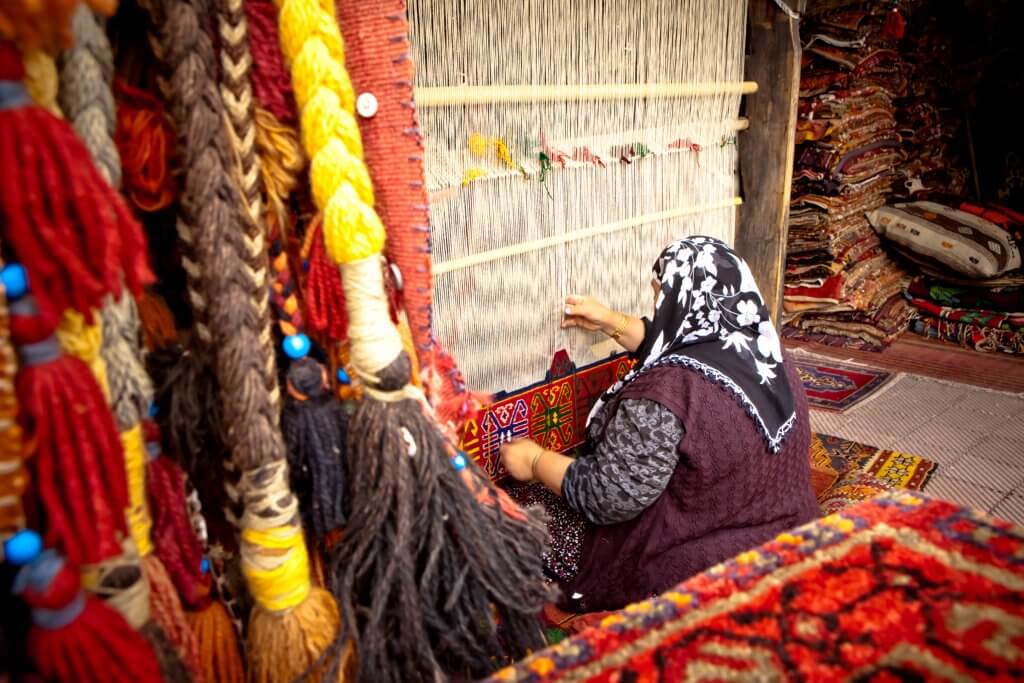

When McDonald's and Starbucks begin to overtake local shops and cafes, this usually marks the beginning of a slow and painful cultural death. Remember, supply meets demand, and this is exactly why it's important to shop and eat local whenever you can.
If you wish to buy souvenirs, always look for products that are locally made – not produced overseas (e.g. China). Supporting locals not only puts money back into the country you're in, but eliminates a ton of CO2 emissions output by products flown in. Consider trinket-shopping at antique shops or markets where locals go. There are an increasing number of fair-trade souvenir shops affiliated with charities – a quick Google search should yield results. Usually the proceeds go to charity and/or the goods are made by women, minorities, disabled people, and so on.
Look into finding ethical indigenous work or tourism in your travels. Nearly all countries on earth (save Antarctica!) have indigenous populations – many places that you wouldn't even think of. Google your destination and inform yourself of its initial residents. In many places, you can find unique indigenous art galleries and shops, as well as performances showcasing traditional culture, music, and dance.
When dining, seek out independent shops over chains. The food is always better with the locals, anyway! The same goes for accommodation. A family-owned hotel or AirBNB is far better than handing your dollars to million-dollar chains. Finally, don't forget the basics such as learning a few local words at minimum. Not only will this improve your overall experience with locals, but it's also simply respectful of being a visitor in a foreign land.
Don't support animal cruelty
There are countless ways that animals suffer at the expense of tourists. While some things like horrifically tiny cages for animals at a Japanese zoo may seem obvious, there are many others you probably don't realize inflict harm, such as the rising trend of animal cafes.
“The average tourist doesn’t have the capacity to identify cruelty to animals because sometimes that cruelty is not overt.”
– Born Free USA
How to tell if an attraction involves animal cruelty? Here are warning signs:
- Involves animals interacting with tourists, such as posing for photos, riding, petting, or feeding. Wild animals don't naturally interact with humans, so these acts are made possible by capturing, “training” (e.g. hitting, electric prods, bullhooks), bribing with food, sedating with drugs, and more.
- Involves inhumane confinement and/or unnatural habitats
- Actively partakes in breeding, buying or selling of animals
- Has no accreditation (all ethical zoos, sanctuaries, and aquariums should have this – see next). Read how to tell if an animal sanctuary is real here.
What can you do to help prevent animal suffering? Do the following:
- Check for accreditation of zoos and aquariums and animal sanctuaries before visiting. That said, apply common sense and consider the above warning signs. If something doesn't feel right, don't do it.
- Raise awareness of what animal cruelty is to your friends and family, whether in your hometown or abroad.
- Boycott attractions that involve animal cruelty. Feel free to tag and tell the attraction itself and/or local tourism boards.
- Make animal protection organizations such as PETA aware of cruel attractions as you see them – they may not know every last one.
- Write reviews on Google & TripAdvisor to inform other travellers of cruelty taking place and to boycott attractions.
- See animals in their wild, uncaged environments such as on safaris and hikes.
- Partake in tourism that promotes animal welfare such as visiting reputable sanctuaries and volunteer centres.
Applying the above red flags and criteria makes a glaringly obvious point here: most animal attractions are cruel. Whilst animal sanctuaries and conservation efforts are key to protecting and rescuing wildlife, the majority that are accessible to tourists do so at the expense of wildlife welfare.
What about animal cafes?
The trend of cute animal cafes is exploding – from sipping coffee with hedgehogs to snapping selfies with cuddly cats. Be aware that most of these cafes aren't run with the best interests of the animals – this is especially true in Asia. Many cafes are coming under question by organizations like the SPCA and Cats Protection. The SPCA, for instance, has stated it would prefer people visit animal shelters than cafes for kitty cuddles.
The other issue here is that many of these establishments promote breeding, as purebred animals are most attractive to customers. This contributes to the killing of shelter animals, of which there are staggering amounts globally. Furthermore, these animals do not have a choice but to be subjected to continuous photographing, feeding, patting, and day-long confinement in small spaces densely filled with people and animals. Obesity, diabetes, and mental distress are just some of the issues these animals endure.
Under certain circumstances, cat cafes are SPCA-approved. For instance, there are cafes that have adoptable cats only in a healthy cat-to-cat and cat-to-human ratio. Use your best judgment and do a Google search of ethical practices before visiting your desired cafe.
Don't partake in over-tourism
Far too many corners of the globe have been stampeded by tourists. This has squashed cultures, suffocated wildlife, increased pollution, and hampered local's day-to-day living. Just this year, Barcelona took to protesting against travellers, even attacking a tour bus. Research ahead of time and if travellers aren't wanted, don't visit.
The good news is, the world is enormous and more accessible than ever. In fact, it's often easy to visit alternatives that scratch the itch you're after. Love France's medieval castles? Why not castle-hop in Romania? Or open your eyes to something you never even thought of. Read lists of off-the-radar gems or discover your own (seriously, just peruse Google Maps and start searching places you aren't familiar with!).
Travel slowly
Slow travel is one of our top tips to globetrotting affordably. Less movement means less transport to pay for, more nights at a single location, and long-stay discounts (usually for 1 week or more).
A slower pace allows for discovery of hidden gems, mingling with locals, escaping the tourist track, and of course, far less carbon emissions. Make the goal of your trip to experience the destination fully, not add checkmarks to a country count list.
Consider trips that help the environment
Eco-tourism has boomed in the past few decades, though as with animal sanctuaries, that label alone doesn't ensure it's helping the planet. As always, use your best judgment.
Volunteering, farm work (e.g. WWOOF), helping at animal shelters, farmstays, partaking in beach clean-ups, and choosing activities that support ecotourism are just some ways you can help your travels make a positive impact.
With volunteer work (a.k.a. “voluntourism”), always be scrutinous of whether your efforts are focused on the people receiving help, and not just fanning your own ego. Think about the money spent and CO2 emissions generated (e.g. flights, lodging) – which can sometimes be thousands of dollars – and reflect on how much further that would go if given directly to communities. “Teach a man to fish” is the ideal approach of any reputable charity. The “white saviour complex” in which foreigners come in, start a project then leave when it's complete isn't sustainable. Any program that makes a community dependent on foreign aid is simply a waste of resources. If you truly wish to help, be scrutinous!
The Thrifty Gist
- Our movement anywhere emits CO2 – airplanes being the biggest culprits by far
- Consider slow travelling, visiting small countries, or regions that are dense with attractions to minimize movement
- Reduce flying whenever possible. Consider train, bus, or driving. When you do fly, fly direct and book open-jaw flights if it minimizes backtracking on your trip.
- Don't support animal cruelty by attending shows or attractions that don't have ethical approval
- Pack eco-friendly toiletries, clothing, and reduce, reuse, and repurpose whenever you can!
- Support local culture by buying, eating, and staying at locally-run places

--------------------------------
12 Things Every Person Who Wants to Travel with Their Dog Should Know
Check "Cheap Vacations" on Amazon: http://amzn.to/2uwUxYD
 The One Bag Traveler recommends Gear, Destinations and Adventures.
Posted: 7/18/2019 | July 18th, 2019

This is a guest post from Candy Pilar Godoy, who blogs about pet travel at Boogie The Pug. She travels the world with her pug, Boogie, and her tiny chihuahua, Marcelo. She’s here to tell you how you can do the same with your dog!
Many people assume that it’s supremely difficult — if not impossible — to travel with dogs. So most assume that they’ll need to fork over a truckload of cash to cover the dog-sitting costs of leaving their pooches behind while they travel.
However, I learned that, with research and a little extra planning, you can take your furry friends along with you on most travel adventures — and it’s not as difficult as you might think.
According to the 2017–2018 National Pet Owners Survey, 68% of US households own a pet. That’s 89 million dogs, an increase of 56% since 1988.
And of that number, about 37% of pet owners actually travel with their pets every year, up from just 19% a decade ago. The International Pet and Animal Transportation Association reported that, worldwide, more than four million live animals are transported on planes every year.
The travel industry has had to adapt to this growing demand, and today, traveling with your dog is easier than ever.
As someone who is extremely passionate about traveling AND dogs, I wanted to share what I’ve learned on the road about this emerging trend.
1. Don’t assume it’s a no
Travel with animals increases every year, and it’s taken establishments time to catch up, meaning lots of places don’t have dog policies in place just yet (or their policies have yet to be thoroughly fleshed out). I’ve heard plenty of stories of restaurants and hotels whose websites and/or social media have listed themselves as dog friendly, when in reality they’re not. It happens.

When in doubt, always ask. Never assume that dogs are or are not allowed. It’s great to look for a “No Pets Allowed” sign or a “Pet Friendly” notice, but whether a place has one or not, it’s always best to double-check. A quick email or phone call can save you a lot of time, confusion, and frustration. For example, I’ve been pleasantly surprised to learn that dogs are welcome in most shopping malls in Rio de Janeiro. Who knew?
2. Make copies of pet-related documents
If you’re planning to cross borders or travel internationally, you’ll need your dog’s health records on hand (sort of like us humans and our passports). These are necessary to prove that your dog is healthy and vaccinated. Officials ask to see them, and depending on who you deal with, they’ll either keep the originals or make a copy. Additionally, if you need to visit a new vet abroad, you’ll be able to provide them with your furry friend’s medical history.

For these reasons, I like to keep multiple copies of my dogs’ medical records and vet information on us at all times. This includes both a virtual copy on my phone and printed copies in my day bag.
3. Use dog-friendly apps
There are plenty of apps that can help when on the road with your pup. It’s become a lot easier than when I used to travel the world sans iPhone. My favorites include:

- All Trails – This has the largest collection of trail maps (over 50,000). Browse photos and reviews, and filter your search by dog-friendly trails so you know which hikes to hit with your dog.
- Bring Fido – The Yelp of the dog world. Bring Fido helps you locate nearby hotels, attractions, and restaurants that welcome pets.
- Pet First Aid by American Red Cross – This app helps you locate the nearest emergency animal hospital, and provides step-by-step instructions for common pet emergencies.
4. Skip hotel fees
Many hotels charge additional fees to accommodate your pet. These can range from a one-time fee of $50–$250 to a daily charge of $10–$50 on average. These extra costs add up, increasing the price of your trip and putting pressure on your budget. If you book a hotel with a $50/night pet fee for a week, that’s an additional $350!

There are some hotel chains, however, that welcome your pets without asking for any extra cash — no additional fees, no deposits, and no one-time charges. Consider one of these hotels when you’re booking your next trip. My favorite pet-friendly hotels with no extra fees include:
- Kimpton – With no additional fees or deposits, Kimpton Hotels rank high in terms of pet-friendliness. Plus, there’s no size or weight limit, and no limit on the number of pets allowed.
- Red Roof Inn – This upscale economy chain has over 580 locations in the US, and additional locations in Brazil and Japan. They allow all family pets weighing 80 lbs. or less.
- Motel 6 – Motel 6 hotels are a great option for anyone on a US road trip, with over 1,400 locations across the United States and Canada. They welcome all well-behaved pets, with a maximum allowance of two pets per room.
Can’t find a good hotel in the area? Try airbnb.com. They have an easy search function that filters for pet-friendly homes. We often use Airbnb when traveling internationally.
Pro tip: Before booking with any hotel, ask these questions to ensure that your stay is comfortable.
5. Take a pet carrier
There are many options on the market when it comes to pet carriers. My favorites include the k9 Sport Sack, a dog carrier backpack that fits dogs of up to 40 lbs. (psst — use the promo code BOOGIE for 10% off). It comes in multiple colors and can be personalized with patches. I also use The Roodie, a pet-carrier hoodie that holds dogs weighing up to 15 lbs.

6. Be respectful of the people you meet
No matter where you go with your dog, be honest and considerate with those around you. Some people love animals, while others can be terrified of even a tiny puppy. Be polite and know your dog’s limits.

Remember that human relationships with dogs vary incredibly across cultures. For example, in Guatemala, we saw more street dogs than pets. People were often surprised to learn that our dogs travel on planes, and even more taken aback to learn that they sleep in our bed. Try to be aware of these cultural differences, and be sensitive to the human-canine boundaries to which people are accustomed.
Moreover, if your pet tends to be unfriendly with humans (or other dogs), make that very clear to anyone approaching. You don’t want to end up in a situation that could have been avoided with a clear warning. After all, dogs are animals — as owners we are the ones responsible for them.
7. Triple-check airline pet policies
When flying, especially internationally, we always double-check, if not triple-check, airline pet policies. Policies are constantly in flux, and rules are always changing. You want to make extra certain that you and your dog are both welcome on that flight. I usually check the airline’s website, give them a call, and send an email confirmation when I’m bringing my dogs on a flight.

Policies and prices for flying with your pet also vary according to a few factors. They usually depend on the airline, the country you’re traveling to, and the size and breed of your pet. There’s also the option of air travel in the cabin, in cargo, and in baggage. (Want to know the difference between these three? Click here.)
Some of my favorite dog-friendly airlines include American Airlines, Delta Airlines, Air France, and JetBlue.
8. Countries differ
When it comes to crossing borders, countries differ in their rules and regulations for allowing your pup entry. Some only ask for a rabies vaccine and paperwork from your vet, while others require a pet quarantine and high fees. There’s also a list of banned breeds for whom some countries won’t allow entry at all.

The hardest countries to enter tend to be islands, like Australia, Japan, Fiji, and Iceland. The easiest are countries in the European Union (if your pup has an EU passport!). Research the rules of your destination country thoroughly and far enough in advance to ensure that you can meet all the requirements.
9. Make dog friends
As I said earlier, dogs are social animals. When you’re out walking or spending time at the local park, befriend other dogs and their owners. They’ll let you in on their favorite hangouts, the best dog-friendly restaurants in the area, and which vets they trust. Dog owners know best, and they’re a great resource to have. Here are the best ways to find a local dog community online or IRL:

- Go on a walk – Grab your pup and head out for a walk around the neighborhood. Stop to sniff a butt or two, and talk to dog people. Speaking to local dog owners is the best way to get the lowdown on the area, and all of the dog-friendly places around town.
- Instagram – These days, dogs everywhere have their own Instagram profiles. Look up hashtags, like #dogsof and enter in your location. You’ll find dogs all over the world. Find some local pups and send them a message asking for tips.
- Visit a dog park – Dog parks are a great place to exercise and socialize. Many major cities have them. If there aren’t any official dog parks in your area, ask local dog owners or people online about unofficial places where your dogs can romp around.
- Find an online community – Online platforms host a myriad of groups based on things like breed, location, dog size, and activity level. I recommend searching Facebook and Meetup.com. Many online communities host meetups and social gatherings that you and your pup can join. They’re also a great place to ask questions.
- Go to a pet store – Local pet shops are great resources for information. Many post flyers for local dog services, or information on nearby dog-related activities for you and your four-legged friend.
10. Pack the essentials
As much as you’d like to just grab your dog and go, there are a few things you’ll definitely need to bring along. Poop bags, a leash and harness, and ID tags are just a few. Pack your pup’s essentials in case you can’t find them on the road (not every location has a good pet store!).

Here’s a checklist of things you might need. It includes things like:
- Dog food and water
- Collapsible bowls
- Toys
- A bed
- Flea and tick medicine
- Medical records and travel documents
Also, make sure your dog is microchipped and always up to date on standard vaccinations.
11. Teach your dog manners
Before you hit the road, it’s best if your dog knows a thing or two. Basic commands, like “sit” and “stay,” will make managing a dog while traveling easier. A well-trained dog can be left behind in a hotel room or rental to rest for a few hours while you have a nice dinner or visit a museum.

Plus, you’re more likely to get a “yes” to your requests if people see that your dog is well behaved. No one wants to be around a barking or rowdy dog who won’t listen!
Work on obedience and manners, and make sure your pup always puts their best paw forward.
If you need help, working with a certified trainer is best. There are also many resources online to help ensure that your dog is obedient and ready to venture out into the world. I recommend the AllThingsPups training tips — they have a YouTube channel, Instagram account, and podcast.
12. Say hello!
Seeing a dog always puts a smile on a stranger’s face. Be polite to people you encounter with your pup. Kindness goes a long way.

On a recent flight, a friendly exchange with a dog-loving airline worker led to my pups and me getting a whole row to ourselves. Extra legroom and seat space are always welcome!
I’ve also gotten free treats, lots of useful tips, and other upgrades all because of a smile, some amicable banter, and of course, my friendly pups.
Travels with my dogs are more colorful and locally focused, and force me to explore parts of my destination that I would have never experienced had I been dogless. My dogs help me meet more people, see more places, and live in and cherish the present. There’s no better way to appreciate a new place than with a dog!
Candy Pilar Godoy has visited almost 40 countries across six continents, and speaks three languages. She often travels with her dogs, and writes about pet travel on her blog Boogiethepug.com. Candy currently lives in Rio de Janeiro with her two dogs, Boogie and Marcelo, and cat Kitty. Follow them on Twitter, Facebook and Instagram.
Book Your Trip: Logistical Tips and Tricks
Book Your Flight
Find a cheap flight by using Skyscanner or Momondo. They are my two favorite search engines because they search websites and airlines around the globe so you always know no stone is left unturned.
Book Your Accommodation
You can book your hostel with Hostelworld. If you want to stay somewhere other than a hostel, use Booking.com as they consistently return the cheapest rates for guesthouses and cheap hotels. I use them all the time.
Don’t Forget Travel Insurance
Travel insurance will protect you against illness, injury, theft, and cancellations. It’s comprehensive protection in case anything goes wrong. I never go on a trip without it as I’ve had to use it many times in the past. I’ve been using World Nomads for ten years. My favorite companies that offer the best service and value are:
- World Nomads (for everyone below 70)
- Insure My Trip (for those over 70)
Looking for the best companies to save money with?
Check out my resource page for the best companies to use when you travel! I list all the ones I use to save money when I travel – and I think will help you too!
--------------------------------
Top Secrets Of Medina You Should Know Before Visiting The Holy City
Check "Cheap Vacations" on Amazon: http://amzn.to/2uwUxYD
The One Bag Traveler recommends Gear, Destinations and Adventures.
Apart from The Prophet’s Mosque, there are two other mosques that make it more popular in the Islamic world. The prophet’s city has many secrets and if you are planning a trip to the holy city, you would be interested to know the secrets of Medina before visiting the holy city. Medina is recognized as
--------------------------------
Wednesday, July 17, 2019
Military Travel Discounts: The Ultimate Guide
Check "Cheap Vacations" on Amazon: http://amzn.to/2uwUxYD
The One Bag Traveler recommends Gear, Destinations and Adventures.
As of 2016 there are approximately 18.8 million military Veterans in the United States. Almost 1.5 million are still on Active Duty. That’s a lot of Veterans! If you’re reading this, you might be interested to know that there are a ton of benefits out there geared towards Veterans. As a travel-obsessed military veteran myself, I’m here to help you navigate the sea of military travel discounts and outright freebies awaiting Veterans and their families.
First things first: not all discounts apply to every Veteran. A Veteran is anyone who served in the United States Military or National Guard. A Retiree either served twenty years in any branch of the military, or medically retired from service. In either case, they have a DoD issued “Retiree” ID card. Finally, Active Duty military is just what the name implies, currently serving on active duty. Some of the discounts below require proof of active or retired service in the form of an ID card, and some only require honorable discharge papers as proof of service.
So, ready to save? Here's our ultimate guide to military travel discounts!
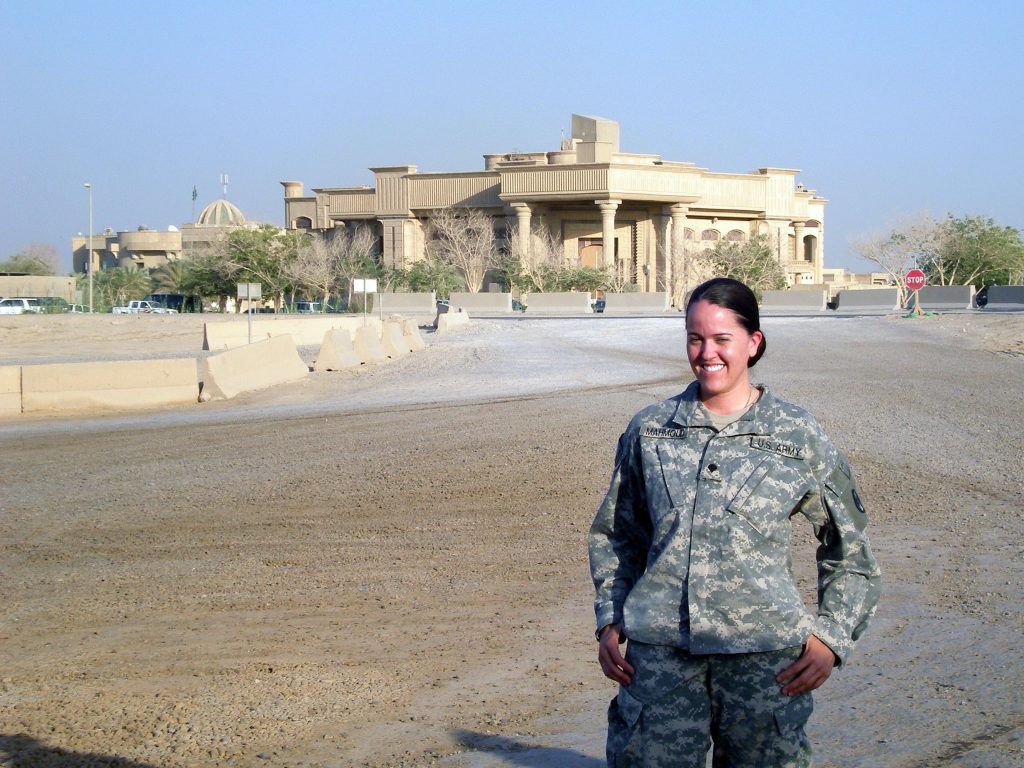
Jen Brown (author in Baghdad, Iraq)
Free (or Almost Free!) Flights
This spectacular benefit is available only to active and retired military with an ID card. This is probably one of the most underused benefits of serving in the military. These free flights are called Space-A.
How to get military Space-A flights
- Step 1. Check out the Air Mobility Command Homepage to see where you can go (under the “passenger terminals” listed on righthand side)
- Step 2. Be sure to “like” and “follow” the Facebook pages for anywhere you think you might be interested in. This step is absolutely necessary because most of the terminals post their schedule 72 hours out only on Facebook (then it is deleted for security reasons).
- Step 3. Fill out AMC form 140 (found anywhere online), AND the Space-A sign-up request form, and email or fax both to the preferred departure terminal
- Step 4. Keep checking Facebook until you find a flight you want. If you’ve already sent in your AMC Form 140 and travel request, all you have to do is show up, and wait for roll call. Happy flying!
A few things to consider when you’re flying Space-A; extreme flexibility is required. As a retiree, I’m in the lowest category, CAT VI, so I’m aware that I can be bumped from the flight at any time by active duty personnel (CAT I), even after I’ve taken my seat on the aircraft. Patience is also required. The flights can and often do change on short notice. However, if you time it right and avoid summer peak flights departing from the east coast, the reward is a flight that costs almost nothing.
For example, a flight departed from Seattle to Japan on February 12, 2016 with 94 available seats, 43 of which were used. The total cost for that flight would have been $35. That’s not taking into account additional costs such as ground transportation, hotels in case you don’t make the flight, and food purchased on flight, but if you’re flexible and can handle the possibility not making the flight, what a deal!
Premium Credit Cards With No Annual Fee
A travel rewards credit card is always an essential tool that every traveler should have under their belt. But as an active military member, you can have some of the most premium, generous travel credit cards on the market, with no annual fee whatsoever.
One of the best credit cards that active military members can get is the American Express Platinum Card (read more about this card here). Usually this card has a whopping annual fee of $550, but for active military members, the fee is $0. You'll get a huge points bonus just for signing up and hitting the minimum spend, no foreign transaction fees (usually 2.5%-3% of each purchase), free car rental insurance, and much more. But the standout feature that no other card has is free access to more than 1,200 airport lounges worldwide. That means endless food and drinks, lightning fast wi-fi, and sometimes even shower and bedding facilities, for free! Instructions on having the fee waived can be found here.
Lodging Discounts
Choice Hotels offers a special rate to Veterans, usually about 10%. Intercontinential, Marriott, Holiday Inn, Radisson, Extended Stay America, Staybridge, La Quinta, Hilton (including Hampton Inn), Best Western, Motel 6, Red Roof, and Starwood Hotels all offer discounted rates to military Veterans. These are just some of the hotel chains that offer discounts to Veterans. Many chains offer at least something; all you have to do is ask!
Additional lodging discounts are available with a Veterans Advantage card on everything from budget to luxury hotel chains. A list of participating hotels is available here.
Car Rental Discounts
Most of the major car rental companies offer discounts to active and retired military. The discounts range from 10% off to a free collision and damage waiver. This discount is usually reserved for active and retired military with an ID card, however some will accept proof of service in the form of DD-214 discharge papers.
The car rental discounts are too numerous to mention, but Budget, Europcar, Hertz, Sixt, Avis, and Thrifty are just a few. Almost every agency I’ve used offers a discount to military veterans. We rented a Budget truck for our move to AZ and saved 10% off our rental, which was substantial for a cross-country move.
A Veterans Advantage membership can also give you access to additional car rental savings. A list of their rental car offers is available here.
Rail & Bus Discounts
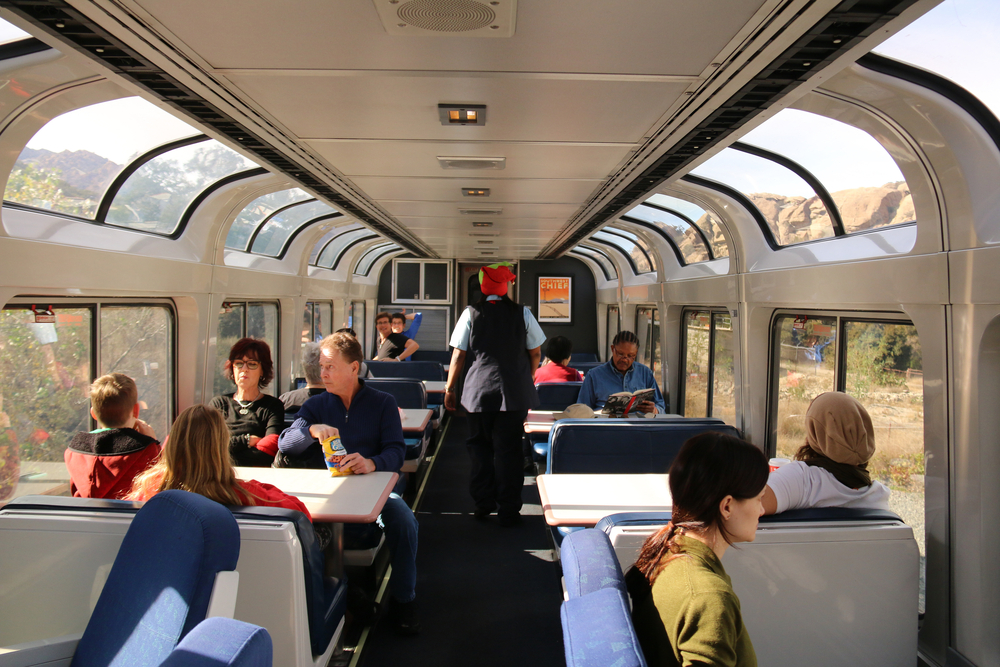
Amtrak and Greyhound bus lines both offer a 10% discount to military Veterans. The Amtrak discount increases to 15% if booked with a Veterans Advantage subscription.
Airline Discounts & Benefits
Most airlines require you to phone in order to obtain the discount. Some offer other perks such as free checked baggage (didn’t that used to be free for everyone?) or priority privileges for TSA checks (see below). Here are some of the airlines that offer military discounts:
- Cheapoair (Up to $40 off with promo code MILITARY40)
- Delta (discount – must call to ask)
- United (5% discount)
- American Airlines (sometimes does discounts – call to ask)
- Virgin Atlantic (discount – must call to ask)
- Jetblue (discount)
- Hawaiian airlines (baggage fees waived)
- Frontier Airlines (baggages fees waived)
- Southwest Airlines (discount – must call to ask)
- Allegiant Air (baggage fees waived)
The key to obtaining discounted air travel, like many of the other discounts available to Veterans is to just ask.
Airline Benefits
Both military members and their family members who have a Department of Defense (DOD) ID are granted free TSA pre-checks. This grants you access to an expedited security lining, saving you time navigating the airport (who doesn't want that?!). To register, simply log onto the TSA pre-check website and enter the number on your DOD ID card. This only works with participating airlines that do TSA pre-checks.
Thrifty tip: Want to get the cheapest flight and combine it with your travel discount? Do a broad search on Skyscanner first by selecting “entire month” and/or “everywhere” as your destination to see when and where is cheapest to fly (check our other tips here). Next, only select eligible military discount airlines to display. Then you know you've found the cheapest flight for your trip in combination with any additional discounts or fees waived.
All-Inclusive Resort Discounts

Both Sandals and Beaches Resorts are all-inclusive, which is a thrifty way to enjoy unlimited premium drinks, gourmet dining, personalized butler service, and of course, some of the most breathtaking beaches in the world. On top of that, both active and retired members of the U.S. or Canadian military are eligible for an additional 10% off military discount, making this travel deal even thriftier.
Amusement Park Discounts
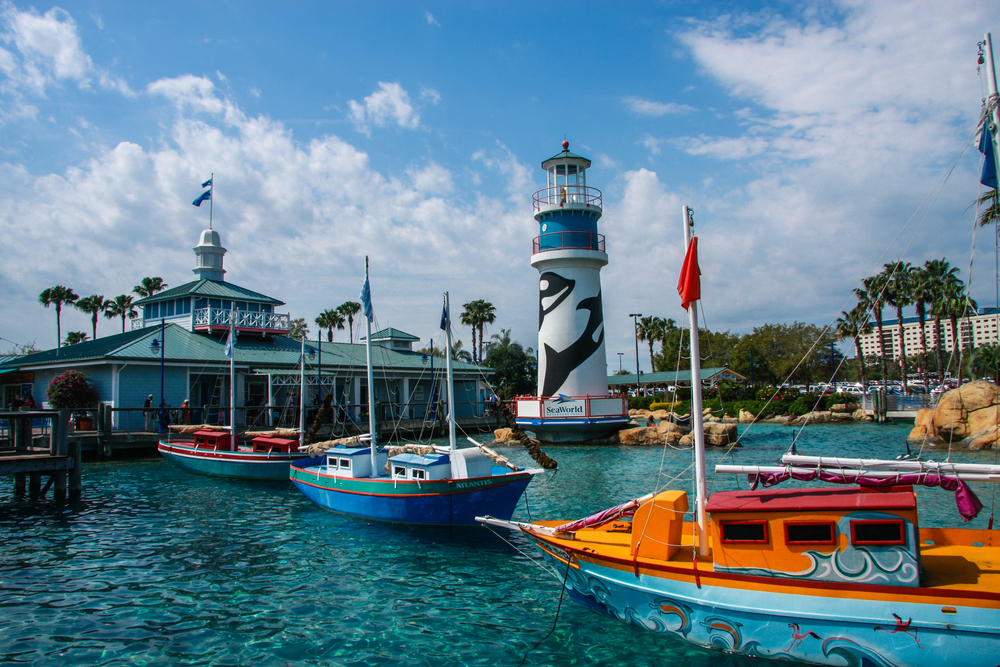
When I was on active duty I made it a point to go to Busch Gardens every single year. Their Waves of Honor program is an awesome benefit for military Veterans. This program has been around at least a decade, and is still going strong. Waves of Honor offers 100% free admission to any Busch Gardens, Sea World, or Sesame Place amusement park. For a family of four, that’s a savings of $372 from the one-day admission price.
To take advantage of this discount, there are a few requirements that must be met. It’s available only to active duty military and their dependents. The service member must register online and take the printout to the admissions gate, and then present a valid military ID for each family member. Even with these requirements, free admission to Busch-owned theme parks is one of the best military discounts out there.
A Veterans Advantage membership provides discounts for a variety of theme parks including Universal Parks, Six Flags, Seaworld, Legoland, and more. A list of participating theme parks is available here.
Dollywood offers a 30% discount to active duty, retired, and disabled Veterans.
Disney also offers a range of discounts on parks and hotels, but nowhere near as generous as Busch Gardens. In fact, a quick check shows that almost every amusement park offers discount to Veterans, but Busch Gardens is the only complete freebie that I’m aware of.
Free National Parks Pass

Any Veteran with a disability rating from the Veteran’s Administration (VA), even 10%, is eligible for a free lifetime access pass from the National Park Service. The pass must be picked up in person at a federal recreation site with photo ID.
In the words of the NPS, “a free, lifetime pass – available to U.S. citizens or permanent residents of the United States that have been medically determined to have a permanent disability (does not have to be a 100% disability) – that provides admittance to more than 2,000 recreation sites managed by five Federal agencies.”
I’ve been using this pass for almost three years, and I’ve saved a ton of money. I live in Arizona and the entrance fee to the Grand Canyon alone would be $25 without the pass.
Discounted National Park Camping
Holders of the access pass above are eligible for a 50% discount on camping at most national parks.
On-Post Lodging
If you’re active duty or retired and enjoy traveling in the off-season, chances are you may be able to stay on a military installation for the duration of your vacation. I’ve personally used this perk a few times in Germany and at Virginia Beach. A great place to start is the Department of Defense Lodging website. Remember, as with Space-A, active military get priority and military identification is required.
Restaurant Discounts
Restaurant deals available to Veterans are almost too numerous to mention. My suggestion is to just ask. Some of my personal favorite restaurant discounts are at Texas Roadhouse, IHOP, Applebee’s, and Outback. Other restaurants that offer discounts to Veterans include:
- Baskin Robbins
- Longhorn Steakhouse
- Arby’s
- Chick-fil-A
- Dairy Queen
- Hooters
- Johnny Rockets
- Schlotzsky’s Deli
- O’Charley’s
- Boston Market
- Ben & Jerry’s
- Buffalo Wild Wings
Johnny Rockets offers a whopping 50% discount to Veterans and many of these restaurants offer completely free meals to Veterans on Veteran’s Day. Last Veteran’s Day I had a free breakfast at IHOP, lunch at Golden Corral, and dinner at Texas Roadhouse. Also, many small mom-and-pop restaurants tend to be patriotic and frequently offer a 10-15% discount.
Additional exclusive restaurant discounts are available with a Veterans Advantage membership. You'll get an ID card and booklet of offers in the mail, along with additional benefits like travel insurance and a drug discount plan. A list of participating restaurants is available here.
Retail Discounts
The retailers that offer military discounts are too numerous to list here. However, almost all of them have a few things in common: an ID is required. Either in the form of an active-duty or retiree ID. Under Armour, Columbia, Kohl’s, Nike, Old Navy, Rack Room, Wilson’s Leather, Apple (wow!), Best Buy, and AT&T are just a few. A word of caution: not every location participates in the discount program.
If you’re planning to use a retail discount it’s best to call ahead or be prepared to receive a “no” when asking. Also, I have had several instances in the past where I KNOW a retailer offers a discount, but the staff member is not aware of it. In a case like this, it’s best to gracefully accept the “no” rather than make a big deal about it.
Cell Phone Service Discounts
Verizon Wireless offers active service members and veterans 15% off your monthly service and 25% off selected accessories. There are also discounts available on home phone, internet, and television combo packages.
New Car Discounts
Almost every major auto retailer offers discounts, special financing, or reduced rates when purchasing a new car. Ford, Toyota, and Harley Davidson offer a $500 discount on the purchase of a new vehicle. Jiffy Lube offers a 25% discount on all services.
Free Checking Accounts
Anyone who’s ever served in the U.S. military is eligible for an account at USAA. Spouses and children are also eligible for USAA. USAA is pretty much the gold-standard when it comes to banking and insurance discounts. Some of the perks of becoming a member of USAA are: no minimum balances, free savings and checking accounts, as well as free checks and overdraft protection. Their auto and renter’s insurance premiums are highly competitive too.
If USAA is in first place for military discounts, then Chase bank isn’t far behind. Their Premier Plus checking is normally $12 a month, but it’s free for active-duty military and retired Veterans with an ID card. In addition to no-fee checking, Chase’s Premiere Plus comes with free checks, and ATM withdrawals.
The key to taking advantage of the many military discounts available is simply to ask. I’ve found that employees often don’t know a military discount is available until someone asks for it. The key is patience, politeness, and being able to gracefully accept a “no.” With a little planning and research Veterans can save a lot on travel by taking advantage of the discounts mentioned above.
Additional Resources
- Military Benefits
- Waves of Honor
- Space A
- Air Mobility Command
- United States Geological Survey
- Vettix

--------------------------------
Subscribe to:
Posts (Atom)